 ultimate-guide
Benefits of Integrated Home Security Systems
Table of Contents
- What Integrated Home Security Systems Deliver
- Understanding Home Security System Components
- How Security Camera and Alarm Integration Works Together
- Integrated Security System vs Standalone Devices
- Control and Monitoring From Any Location
- Home Security System Installation and Setup
- Long-Term Reliability and Support
- Frequently Asked Questions
Last Updated: October 15, 2026
What Integrated Home Security Systems Deliver
An integrated home security system combines multiple security components into a single, unified platform that works together seamlessly. Rather than managing separate apps for cameras, alarms, and monitoring, an integrated system lets you control everything from one interface. This shift can transform how homeowners and property managers approach security across rural North Texas.
The core value is simplicity. When your security cameras, alarm sensors, door locks, and monitoring service all communicate through one system, you eliminate the friction of juggling multiple passwords and apps. A motion sensor triggers your cameras to record. An alarm activation automatically notifies your monitoring service. You check your phone and see everything in one place.
This unified approach also improves response times. Traditional standalone devices operate in isolation, a camera records footage, an alarm sounds, but the two systems don't coordinate. An integrated setup means faster detection, quicker alerts, and more reliable protection because every component reinforces the others.
Understanding Home Security System Components
A complete home security system components package includes several interdependent pieces working toward one goal: protecting your property. Understanding what each component does helps you see why integration matters.
Security cameras form your eyes on the property. Modern systems use IP-based cameras that stream video over your network, allowing remote viewing and storage. Alarm sensors detect intrusion at entry points, door and window sensors, motion detectors, and glass-break sensors. These sensors feed into a control panel that processes alerts and decides what action to take.
The monitoring service represents your 24/7 response layer. When an alarm triggers, the system alerts a professional monitoring center. They verify the alarm and dispatch emergency services if needed. This human verification step prevents false alarms from wasting emergency responder time.
Network infrastructure ties everything together. Your whole-property Wi-Fi system carries video feeds, sensor signals, and control commands. Without reliable connectivity, cameras can't stream, sensors can't report, and you can't access your system remotely. In rural North Texas properties with challenging terrain or distance from infrastructure, this connectivity becomes the foundation everything else depends on.
How Security Camera and Alarm Integration Works Together
Security camera and alarm integration eliminates the gap between detection and response. When these two systems communicate, your property's security becomes more coordinated and effective.
Here's the workflow: A motion sensor detects movement at your front gate. Instead of just sounding an alarm, the system automatically triggers your front-facing cameras to begin recording in high-resolution mode. Simultaneously, the system sends an alert to your phone with a live video feed. You can watch in real time as the situation develops. If it's a genuine threat, you contact your monitoring service with video evidence already in hand. If it's a delivery driver or a neighbor, you can dismiss the alert and prevent a false alarm from reaching emergency responders.
This coordination also extends to your lighting and audio systems. Some integrated setups trigger outdoor lights when motion is detected, which often deters intruders and improves camera image quality. Others can activate audio warnings: "You are on a monitored property."
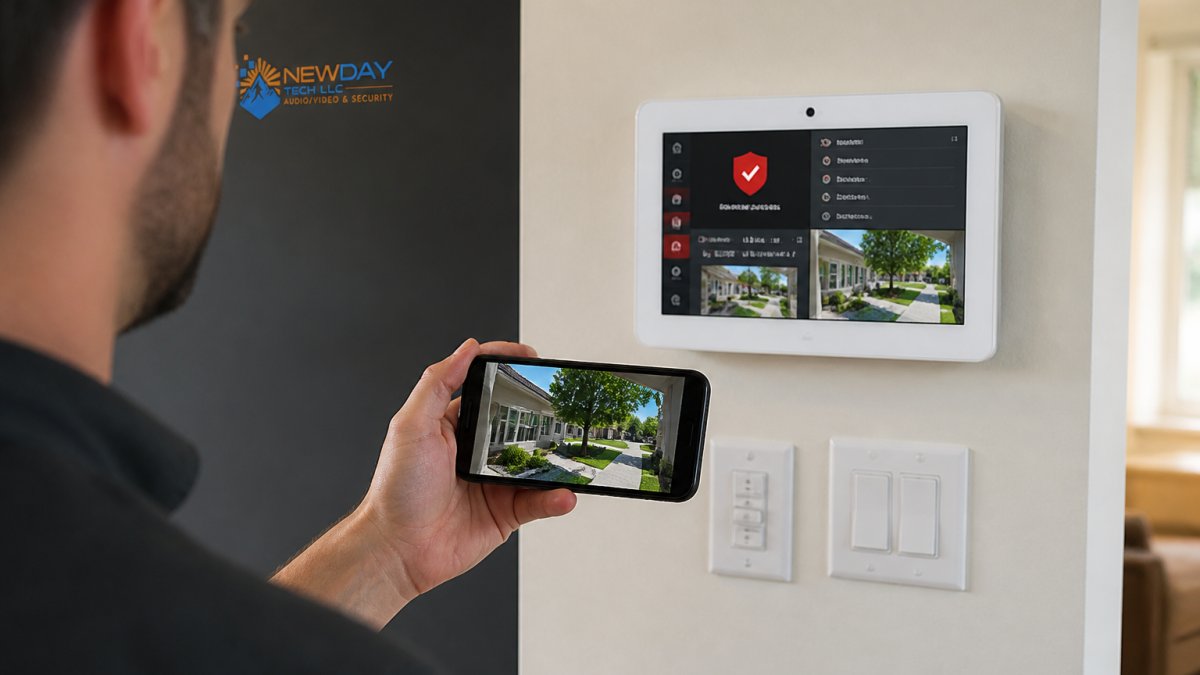
The integration reduces your response burden. Without it, you'd need to manually check cameras after an alarm sounds, manually verify the threat, and manually contact your monitoring service. An integrated system compresses these steps into automatic actions, buying you critical time.
Integrated Security System vs Standalone Devices
The difference between integrated security system vs standalone devices comes down to coordination and reliability. Many property owners start with standalone cameras or alarms from different manufacturers, then discover they don't work together.
Standalone approach: You install a Ring doorbell camera from one vendor, a separate alarm system from another, and Wi-Fi from a third. Each has its own app, its own login, its own cloud storage. When motion triggers the doorbell camera, it records, but your alarm system doesn't know. If your alarm sounds, the doorbell camera doesn't automatically focus on the threat. You're managing three separate systems that happen to be on the same property.
Integrated approach: All components report to a central hub. Your cameras, sensors, locks, and lighting operate as one coordinated system. The monitoring service receives unified alerts. You have one app, one login, one source of truth for your property's security status.
The reliability difference is substantial. Standalone systems often fail when components lose network connectivity or when one vendor's cloud service goes down. An integrated system with proper redundancy maintains core functions even if one component fails. Your cameras might lose cloud backup, but local recording continues. Your alarm still functions and can still reach the monitoring center through a cellular backup connection.
Control and Monitoring From Any Location
One of the strongest benefits of integrated home security systems is remote access and control. You're not confined to monitoring your property only when you're on-site.
A properly integrated system lets you view live camera feeds from anywhere with an internet connection. You can check on your property during work hours, while traveling, or in the middle of the night. You can receive instant notifications when sensors trigger. You can arm or disarm your system, unlock doors, or activate specific cameras, all from your phone.
This remote capability is especially valuable for rural properties in North Texas. If you own a ranch or a remote property, you might be hours away when something happens. Without remote monitoring, you'd have no visibility until you returned. With integration, you can respond immediately, contact your monitoring service, check footage, or guide emergency responders to the exact location of a threat.
The monitoring service integration extends this control. They can view your camera feeds when an alarm triggers, giving them better context for dispatch decisions. They can communicate with you through your system. They can even disarm false alarms if you verify them through video.
Home Security System Installation and Setup
Proper home security system installation requires planning, not just equipment placement. This is where many DIY attempts fall short, especially on larger or rural properties.
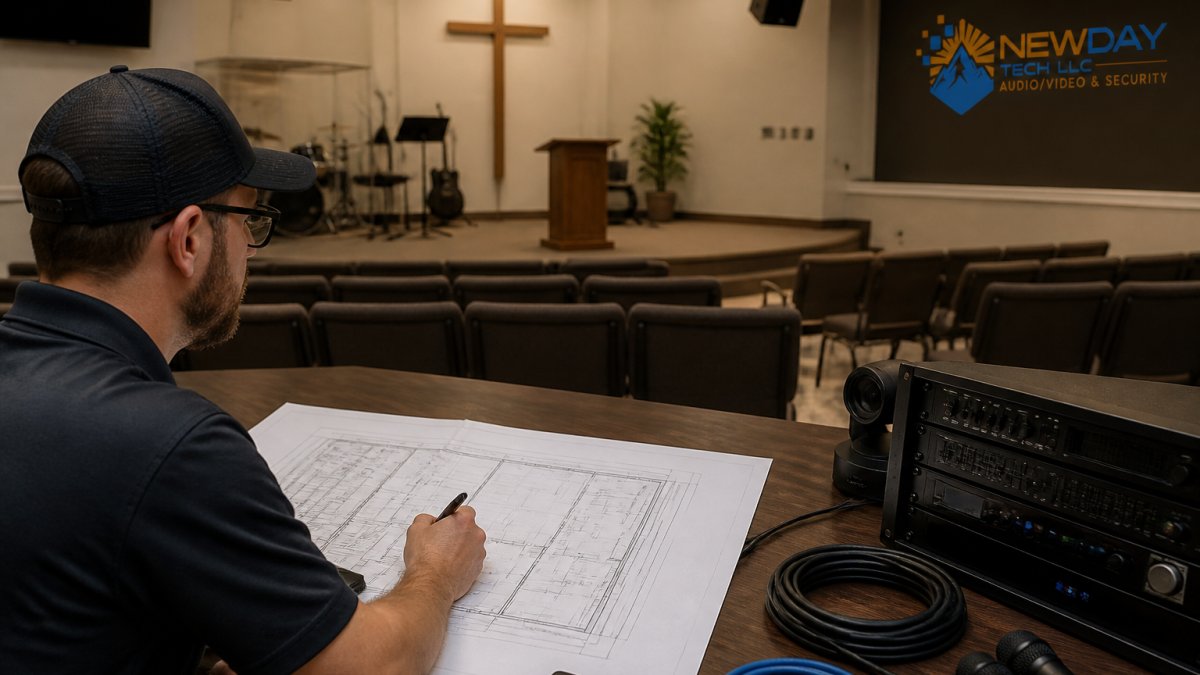
The process starts with a site assessment. A professional installer evaluates your property layout, identifies potential vulnerabilities, checks network coverage, and determines where cameras and sensors should go. On a 50-acre ranch with trees, barn structures, and distance from your main house, this assessment is critical. Poor placement means blind spots or weak Wi-Fi signals that undermine the entire system.
Next comes infrastructure setup. Your network backbone must support video streaming from multiple cameras simultaneously. This often means upgrading your Wi-Fi system or adding access points in strategic locations. In areas with limited cell service, a professional installer ensures your monitoring service can reach you through multiple pathways, broadband, cellular backup, or both.
Then comes component installation. Cameras are mounted for optimal coverage. Sensors are placed at entry points and high-risk areas. The control panel is positioned for easy access and power management. All devices are configured to communicate with each other and with your monitoring service.
Finally, the system is tested and you're trained on how to use it. A good installer doesn't leave you to figure it out. They walk you through the app, explain alert settings, show you how to contact your monitoring service, and confirm that everything works as designed.
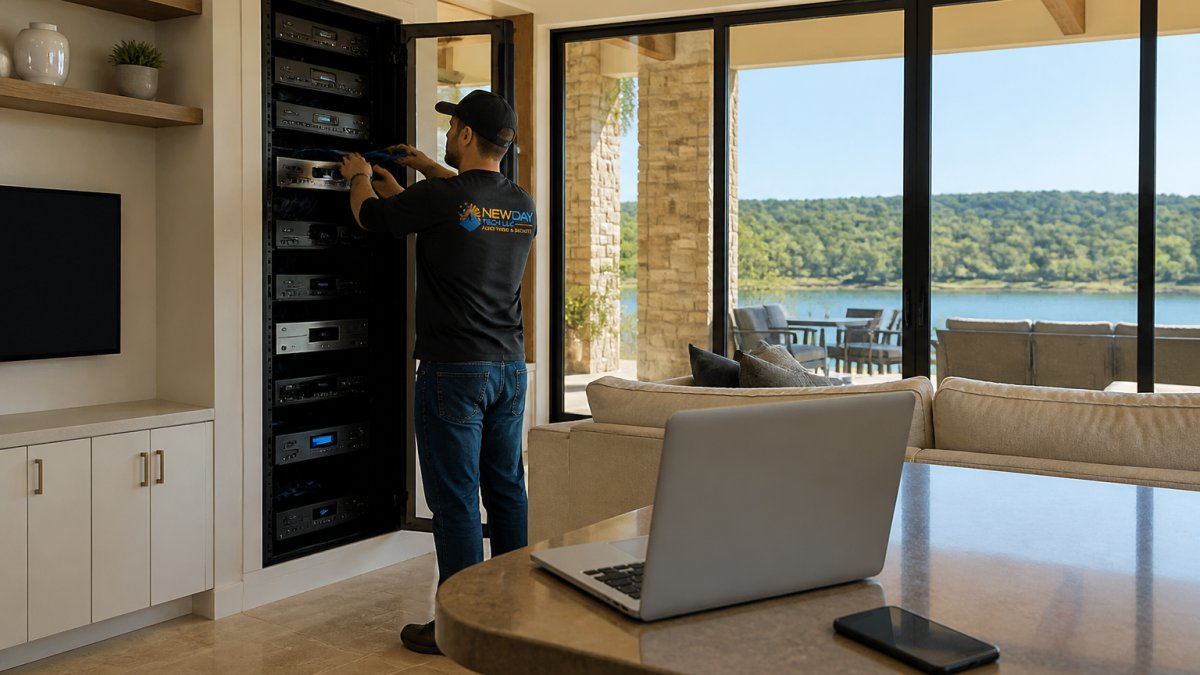
NewDay Tech handles this entire process as a single team managing your project from initial planning through ongoing support.
Long-Term Reliability and Support
Security systems aren't install-and-forget. They require ongoing maintenance, monitoring, and support to remain effective. This is where many property owners discover the real value of benefits of integrated home security systems, long-term reliability depends on professional support.
Your monitoring service maintains 24/7 availability. When an alarm triggers at 3 a.m., you don't contact a technician, you contact trained professionals who verify the threat and dispatch help. This service is only as good as the company providing it. Choosing a provider with strong response times and local familiarity matters.
Technical support handles problems when they arise. If your Wi-Fi connection drops, your cameras stop streaming. If a sensor fails, your coverage has a gap. A responsive support team diagnoses the issue, coordinates repairs, and restores your system to full function. For rural properties where internet connectivity is already challenging, this support becomes essential.
System updates keep your components secure and functional. Firmware updates patch vulnerabilities. Software updates add features and improve performance. A professional installer manages these updates rather than leaving you to handle them manually.
Integrated home security systems offer more than just convenience, they provide coordinated protection, remote visibility, and professional monitoring that standalone devices cannot match. The real strength emerges when every component works together, from initial detection through professional response.
NewDay Tech designs and installs integrated security systems that simplify your control, improve your coverage, and connect you to professional monitoring. With over 15 years of experience across rural North Texas properties, we handle the entire process from site assessment through ongoing support. Our team ensures your cameras, alarms, network, and monitoring service work together as one reliable system. Request a consultation to discuss how an integrated approach protects your property.
Frequently Asked Questions
What is an integrated home security system?
An integrated home security system combines multiple security components, cameras, alarms, smart locks, and sensors, into a single platform controlled through one app or interface. Rather than managing separate systems from different manufacturers, an integrated setup lets all devices communicate with each other and work as one cohesive unit. This unified approach simplifies monitoring, reduces complexity, and ensures faster response times when security events occur.
Are integrated home security systems more reliable than standalone devices?
Integrated systems typically offer better reliability because all components are designed to work together from the start. With standalone devices, communication failures between systems can create gaps in your security coverage. An integrated platform eliminates these compatibility issues and ensures that when one component detects a threat, like a camera sensing motion, the alarm system responds immediately. Professional installation and ongoing support further strengthen reliability.
Can I monitor an integrated home security system from my phone?
Yes. Integrated home security systems are built for remote monitoring through a mobile app. You can view live camera feeds, receive instant alerts when motion is detected or doors are opened, and control locks and alarms from anywhere with an internet connection. This remote capability is especially valuable for ranch owners and rural properties where you need to monitor your property while away, even in areas with limited cell service when paired with reliable connectivity solutions like Starlink.
Do integrated home security systems require professional installation?
Professional installation is strongly recommended for integrated systems. Proper placement of cameras, correct wiring of alarm sensors, network configuration, and system calibration require expertise to ensure full coverage and reliability. A professional installer can also identify the best locations for components based on your property layout, integrate the system with your existing Wi-Fi network, and provide training on how to use the platform effectively.
National Institute of Standards and Technology cybersecurity guidelines for connected devices
FBI guidance on residential security system best practices
Consumer Reports home security system reliability ratings